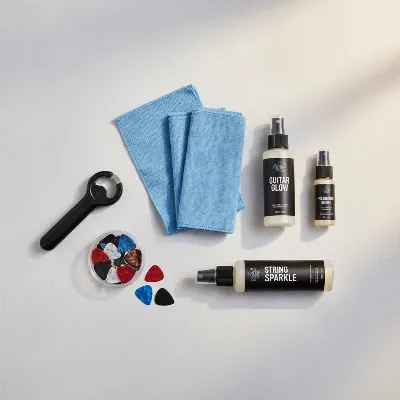
Have you ever wondered if an affordable guitar can truly capture the legendary essence of an icon? The Epiphone Les Paul Standard has long been the go-to for aspiring guitarists and seasoned players seeking classic tone without the premium price tag. In 2026, Epiphone continues to refine its “Inspired by Gibson” collection, striving to deliver an authentic Les Paul experience. This comprehensive review and quality test dive deep into the latest Epiphone Les Paul Standard models, exploring their construction, sound, playability, and overall value to help you make an informed decision.
Electric Guitar: Overview and Historical Development
The electric guitar, a cornerstone of modern music, revolutionized soundscapes across genres, from rock and blues to jazz and metal. Its journey began in the 1930s, evolving from rudimentary amplified acoustics to sophisticated solid-body instruments capable of immense volume and sustain. Key innovators like Les Paul himself played a pivotal role in shaping its destiny, contributing designs that would become timeless. The Les Paul, in particular, emerged as a symbol of raw power and rich, creamy sustain, becoming a favorite for countless guitar legends and influencing generations of music. Its distinct voice and comfortable playability cemented its place in history as one of the most iconic electric guitars ever conceived.
Popular Electric Guitar Classifications
While the electric guitar world boasts a myriad of designs, the Les Paul stands out as a fundamental archetype, known for its single-cutaway solid body. Within the Epiphone lineup, you’ll find various iterations that pay homage to specific eras or offer modern enhancements. For instance, the Epiphone Les Paul Standard ’60s models aim to recreate the feel of the early 1960s with a slim-taper neck, while the ’50s models feature a chunkier, rounded profile. These distinctions allow players to choose a Les Paul that best suits their ergonomic preferences and stylistic needs, offering versatility within the classic design.
Les Paul: Characteristics, Sound, and Famous Users
|
Our Picks for the Best Electric Guitar in 2026
As an Amazon Associate I earn from qualifying purchases.
|
||
| Num | Product | Action |
|---|---|---|
| 1 | 39 Inch Electric Guitar Bag 7mm Padding Waterproof Electric Guitar Case, Electric Guitar Gig Bag Backpack with Neck Strap and Pockets, Black |

|
| 2 | LyxPro 39 inch Electric Guitar Kit Bundle with 20w Amplifier, All Accessories, Digital Clip On Tuner, Six Strings, Two Picks, Tremolo Bar, Shoulder Strap, Case Bag Starter kit Full Size - Blue |
|
| 3 | Jackson Dinky Minion JS1X Electric Guitar - Black |
|
| 4 | RockJam Electric Guitar Kit with 10-Watt Amp, Gig Bag, Picks, Spare Strings & Lessons |
|
| 5 | 16inch Mini Guitar Toy for Kids and Beginners, Electric Guitar with Strap for Toddlers and Boys and Girls Instrument Toys |
|
| 6 | Tostar 39 Inch Full Size Electric Guitar Kit For Beginners And Adults,SSS Pickup Stratocaster Guitarra Electrica Set Includes Tremolo Bridge,Amp,Strings,Stand,Case Bag, Birthday Holiday Gifts, Red |
|
| 7 | Ibanez GRG131DX - Black Flat |
|
| 8 | WINZZ EGM100 30 Inches Real Kids Electric Guitar with Beginner Kit, Right Handed (Gradient Pink) |
|
| 9 | STRICH Electric Guitar Beginner Kit, Solid Body 39" Full Size Electric Guitar HSS Pick Up for Starter, with 10W Amp, Bag, Digital Tuner, Capo, Strap, String,Cable, Picks, SST-S20 Sapphire Blue |
|
| 10 | Fender Mini Stratocaster Electric Guitar Kit, Beginner Guitar Kit, with 2-Year Warranty, with Frontman 10G Amp, Padded Gig Bag, Strap, Cable, Tuner, and Picks, Daphne Blue |
|
The Epiphone Les Paul Standard typically features a solid mahogany body for warm, resonant tones and impressive sustain, often topped with a maple cap, sometimes a flamed maple veneer, for added brightness and visual appeal. Its dual humbucking pickups deliver a powerful output, ranging from rich, clean jazz tones to thick, overdriven rock riffs. Historically, the Les Paul has been synonymous with rock and blues, graced by the hands of legends like Jimmy Page, Slash, and Joe Bonamassa, all of whom have exploited its iconic sound. The guitar’s inherent sustain makes it perfect for expressive solos and thick chord work, making it a versatile workhorse for many genres.
Detailed Construction of Electric Guitar
Understanding the construction of an Epiphone Les Paul Standard reveals why it achieves its signature sound and feel. Each component plays a crucial role, contributing to the overall performance and character of the instrument. From the selection of tonewoods to the precision of its electronics, every detail is considered to deliver a quality playing experience that resonates with the original Gibson design.
Body: Common Woods and Their Sonic Impact
The Epiphone Les Paul Standard usually features a mahogany body, a dense wood renowned for its warm, rich, and resonant tone with excellent sustain. This is often paired with a maple cap, which adds brightness, clarity, and articulation to the sound, balancing the mahogany’s darker characteristics. Some models, like the PlusTop Pro, boast a beautiful AAA flame maple veneer, enhancing the guitar’s aesthetic without significantly altering the fundamental tone. This combination of woods is foundational to the classic Les Paul sound, providing a powerful and full-bodied sonic palette.
Neck: Common Woods, Neck Shapes, and Playability
The neck of an Epiphone Les Paul Standard is typically crafted from mahogany, often with a set-neck construction, which contributes to sustain and resonance by providing a solid connection to the body. Neck profiles vary, with ’50s models featuring a thicker, rounded “C” shape, offering a substantial feel that many classic rock players prefer. In contrast, ’60s models utilize a slimmer “SlimTaper D” or “C” profile, designed for faster playability and comfortable chord transitions, appealing to modern shredders and those with smaller hands. The fingerboard is commonly made from Indian Laurel or Pau Ferro, both tonally similar to rosewood, providing a smooth playing surface.
Pickup: Types of Pickups and Their Sonic Impact
Epiphone Les Paul Standards are equipped with humbucking pickups, designed to reduce hum and provide a powerful, thick tone. Many current models, especially the “Inspired by Gibson” series, feature Epiphone’s ProBucker pickups (often ProBucker 2 in the neck and ProBucker 3 in the bridge). These are modeled after the revered vintage PAF (Patent Applied For) humbuckers, known for their versatility, rich mids, and clear highs. Some models also offer coil-splitting capabilities via push/pull volume knobs, allowing players to access single-coil-like tones for a wider range of sonic options.
Bridge: Types of Bridges and Their Impact on Tuning and Sustain
The Epiphone Les Paul Standard typically features a LockTone Tune-o-matic bridge and stop bar tailpiece. This robust combination ensures excellent tuning stability and contributes significantly to the guitar’s sustain. The Tune-o-matic bridge allows for individual string height and intonation adjustments, providing precise setup capabilities. Its sturdy construction minimizes unwanted vibrations, focusing the string energy back into the body for a full and resonant sound.
Other Components: Tuners, Nut, Volume/Tone Controls, etc.
Beyond the major components, several smaller parts collectively ensure the Epiphone Les Paul Standard performs optimally. Grover Rotomatic tuners with an 18:1 gear ratio are frequently found, offering precise and stable tuning. The nut, often Graph Tech or plastic, guides the strings smoothly and affects tuning stability. Two volume and two tone controls, usually with CTS potentiometers in higher-end Epiphone models, provide independent control over each pickup’s output and tonal character. A 3-way toggle switch allows for quick selection between the neck, bridge, or both pickups.
Comparison Table of Famous Electric Guitar Brands
When considering an Epiphone Les Paul Standard, a natural comparison arises with its Gibson counterpart. While Epiphone is owned by Gibson, their guitars occupy different market segments, primarily due to manufacturing processes, materials, and price. Understanding these distinctions is crucial for prospective buyers.
| Feature | Epiphone Les Paul Standard | Gibson Les Paul Standard |
|---|---|---|
| Origin | Manufactured outside the USA (e.g., China, Indonesia) | Hand-made in the USA |
| Wood Quality | Quality tonewoods, often with maple veneers; Indian Laurel/Pau Ferro fingerboards | Higher-grade, often hand-selected tonewoods; Rosewood/Ebony fingerboards |
| Pickups | Epiphone ProBuckers (Alnico II/III) | Gibson BurstBuckers or similar (Alnico II/V) |
| Hardware | Good quality (e.g., Grover tuners, LockTone bridge) | Premium quality (e.g., Grover locking tuners, aluminum bridge) |
| Finish | Polyurethane gloss | Nitrocellulose lacquer |
| Price Range | Significantly more affordable (typically under $1000) | Premium price point (often $2000+) |
| QC & Craftsmanship | Good, but can have minor inconsistencies | Higher standard of quality control and hand-finishing |
> “Epiphone has truly elevated its game, offering a Les Paul experience that comes remarkably close to Gibson, especially in terms of feel and tone, at a fraction of the cost.” – Liam Gallagher, Guitar Reviewer
Electric Guitar Buying Guide
Choosing the right Epiphone Les Paul Standard involves considering several personal factors. With the array of models and features available, a thoughtful approach ensures you find a guitar that perfectly matches your aspirations and playing style. Don’t rush the process; take time to play different models and assess what feels best in your hands and sounds right to your ears.
Factors to Consider When Buying an Electric Guitar
Your budget is often the first consideration. Epiphone Les Paul Standards offer excellent value in the mid-range market. Next, consider your playing style and preferred music genre; a ’60s SlimTaper neck might suit faster playing, while a ’50s rounded neck offers a more traditional feel for blues and classic rock. Your skill level also matters; beginners will appreciate the playability, while intermediate and professional players will value the upgraded components and reliable performance. Always try the guitar in person if possible to assess its comfort and sound.
Advice on Choosing the Right Guitar for Beginners, Intermediates, and Professionals
- Beginners: The Epiphone Les Paul Standard is an excellent choice, offering classic looks and tone without breaking the bank. Focus on models with comfortable neck profiles. You’ll want an easy-to-play guitar that inspires you to pick it up often.
- Intermediate Players: You’ll appreciate the upgraded ProBucker pickups and quality hardware, which offer versatile tones for exploring different genres. Look for models like the ’60s Standard or PlusTop Pro for enhanced features and aesthetics.
- Professional Players: While many pros own Gibsons, an Epiphone Standard can serve as a reliable backup or a modding platform. Its core components are solid, and with pickup upgrades or minor hardware swaps, it can stand shoulder-to-shoulder with much more expensive instruments in a live or studio setting.
Essential Accessories
To fully enjoy your Epiphone Les Paul Standard, several accessories are vital. An amplifier is non-negotiable, with options ranging from small practice amps to powerful tube amps. A good quality guitar cable ensures clear signal transmission. Picks, a comfortable strap, a tuner, and a capo are also essential. Don’t forget a gig bag or hardshell case to protect your investment, and a set of spare strings is always a good idea.
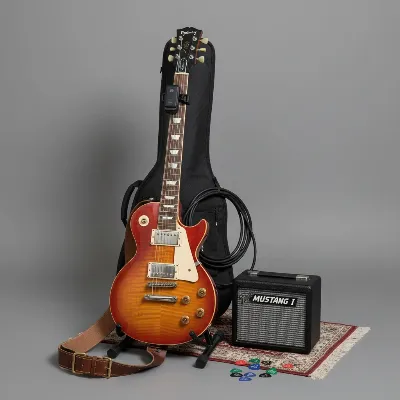 Essential accessories for an Epiphone Les Paul Standard electric guitar, including an amp, picks, strap, and case.
Common Problems and Solutions
Even well-crafted guitars can encounter minor issues, and the Epiphone Les Paul Standard is no exception. While Epiphone’s quality control has improved significantly, understanding common problems and their solutions can save you time and potential frustration. Many issues are easily remedied with basic guitar maintenance skills or a trip to a local technician.
Common Problems with Electric Guitars
Some common issues reported with Epiphone Les Paul Standards include fret buzz, especially on lower frets, often due to improper setup or a poorly cut nut. Loose output jacks or noisy pickup selector switches can cause intermittent signal loss or crackling sounds. Tuning stability issues, while sometimes attributed to stringing technique, can also stem from a poorly lubricated nut or less-than-optimal tuners on older models. Pickup muddiness, particularly in the neck position, can also be a complaint for some players.
Guide to Troubleshooting Simple Issues
- Fret Buzz: Check neck relief by fretting the low E string at the 1st and last fret, then tapping the string around the 7th fret. If there’s no gap, the neck might be too straight (truss rod adjustment needed). Also, check string height at the bridge; raising it slightly can eliminate buzz.
- Loose Output Jack/Noisy Switch: Gently tighten the nut on the outside of the output jack. For noisy switches, a quick spray of contact cleaner can often resolve the issue, but if the switch is faulty, replacement might be necessary.
- Tuning Stability: Ensure strings are properly stretched and wound correctly around the tuning posts. Lubricate the nut slots with graphite (pencil lead) to reduce friction.
- Pickup Muddiness: Adjust pickup height – lowering the neck pickup slightly can reduce muddiness, while raising the bridge pickup can add bite. Experimentation is key to finding your preferred balance.
When to Seek Professional Repair
While some issues can be DIY fixed, certain problems warrant professional attention. Cracks in the neck or headstock, significant wiring failures, or persistent intonation problems that cannot be resolved with basic adjustments should be addressed by an experienced guitar technician. Fret leveling or a complete refret also require specialized tools and expertise to ensure optimal playability.
Maintenance and Cleaning of Electric Guitar
Proper care and regular maintenance are essential to prolong the life and preserve the playability of your Epiphone Les Paul Standard. Neglecting routine cleaning and storage can lead to issues that affect both its sound and appearance. A few simple habits can keep your guitar looking and playing its best for years to come.
How to Maintain an Electric Guitar to Extend Its Lifespan
Store your guitar in a stable environment, ideally in a case, to protect it from extreme temperature changes and humidity fluctuations, which can warp the neck or damage the finish. Loosen the strings slightly when storing for long periods to relieve tension on the neck. Regularly check screws and hardware for tightness. Periodically oil the fretboard (if it’s not maple) to prevent drying and cracking.
Correct Steps for Cleaning an Electric Guitar
After each playing session, wipe down the strings and fretboard with a clean, dry cloth to remove sweat and oils, which can degrade strings and accumulate grime. Use a soft microfibre cloth to gently polish the body, removing fingerprints and smudges. For deeper cleaning, apply a dedicated guitar cleaner and polish, following the product instructions. Avoid harsh chemicals that can damage the finish.
Recommended Guitar Maintenance and Cleaning Products
High-quality guitar polish and cleaner are essential for maintaining the body’s finish. A fretboard conditioner or lemon oil (for non-maple fretboards) keeps the wood hydrated. String cleaners can extend string life and maintain tone. Invest in a good set of microfibre cloths, a string winder, and a small toolkit with hex wrenches and screwdrivers for minor adjustments.
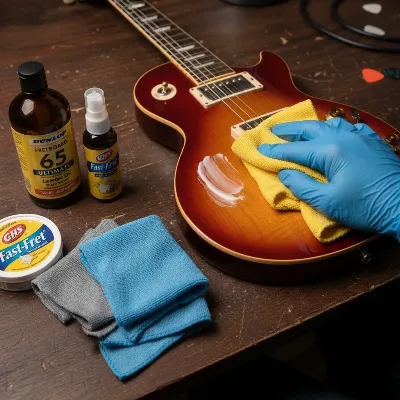 Cleaning and maintenance products for an Epiphone Les Paul Standard electric guitar, including polish, cloth, and string cleaner.
Conclusion
The 2026 Epiphone Les Paul Standard continues its legacy as a formidable Electric Guitar, offering an accessible entry point to the iconic Les Paul sound and feel. With its quality tonewoods, capable ProBucker pickups, and comfortable playability, it delivers an impressive performance that often defies its price point. While differences from its Gibson sibling exist in materials and meticulous craftsmanship, the Epiphone stands on its own as a reliable, versatile, and inspiring instrument for guitarists of all levels. It truly captures the spirit of the original, proving that exceptional quality doesn’t always come with an exorbitant tag. Are you ready to unleash your inner rock star with the timeless appeal of an Epiphone Les Paul Standard?
Frequently Asked Questions
Is the Epiphone Les Paul Standard good for beginners in 2026?
Yes, the Epiphone Les Paul Standard remains an excellent choice for beginners in 2026. Its approachable price, comfortable neck profiles (especially the ’60s SlimTaper), and versatile humbucking tones make it a rewarding instrument to learn on and grow with.
What are the key differences between the Epiphone Les Paul Standard ’50s and ’60s models?
The primary difference lies in the neck profile. The ’50s model features a thicker, rounded “C” shape, offering a vintage feel, while the ’60s model sports a slimmer “SlimTaper D” or “C” profile, designed for faster playability and modern comfort.