The Squier Classic Vibe Telecaster is an electric guitar renowned for its exceptional performance, vintage feel, and robust sound at an accessible price point, typically ranging from $400 to $600. It consistently delivers authentic Telecaster tones through Fender-designed alnico single-coil pickups and offers comfortable playability with its C-shape maple neck, making it a compelling choice for beginners, intermediate players, and even professionals seeking a reliable, vintage-inspired instrument.
Electric Guitar: Overview and History
The electric guitar has undeniably shaped modern music, evolving from a novelty in the 1930s into an indispensable icon across genres. Its journey began with pioneers seeking to amplify stringed instruments, leading to the development of resonant bodies, magnetic pickups, and electronic amplification. A pivotal moment arrived with the Fender Telecaster, originally introduced as the Esquire, then the Broadcaster, before settling on its famous name due to a naming conflict. This solid-body marvel, with its straightforward design and distinctive “twang,” became the world’s first mass-produced electric guitar, revolutionizing music production and performance. The Squier Classic Vibe series pays homage to this rich history, meticulously crafting instruments that evoke the spirit and aesthetic of these iconic vintage Fender designs, making them accessible to a new generation of players.
Popular Electric Guitar Classifications
Electric guitars come in many shapes, sizes, and configurations, each designed to produce unique tones and cater to different playing styles. Among the most iconic is the Telecaster, renowned for its bright, articulate, and often “twangy” sound, making it a favorite across country, blues, rock, and even jazz. Its simple yet effective single-coil pickup configuration and solid body deliver a clear, punchy output that cuts through a mix.
Telecaster: Characteristics, Sound, and Famous Users
The Telecaster’s signature sound is largely defined by its two single-coil pickups—a biting bridge pickup perfect for lead work and a warmer, rounder neck pickup ideal for rhythm. This combination offers surprising versatility, allowing players to dial in everything from sharp, trebly country licks to thick, bluesy tones. Notable artists like Keith Richards, Bruce Springsteen, and Brad Paisley have famously wielded Telecasters, showcasing its adaptability across diverse musical landscapes.
Other Electric Guitar Types
Beyond the Telecaster, other popular classifications include the Stratocaster, known for its ergonomic contours and three single-coil pickups, offering a wider sonic palette with its characteristic “quack” in positions two and four. The Gibson Les Paul, with its humbucker pickups and thicker mahogany body, provides a powerful, sustained tone favored by rock and blues musicians. Hollow-body and semi-hollow-body guitars, like the Gibson ES-335, offer warmer, more resonant tones suitable for jazz and blues, bridging the gap between acoustic and solid-body electrics. Each type contributes its own voice to the vast mix of guitar music.
Detailed Construction of the Squier Classic Vibe Telecaster
The Squier Classic Vibe Telecaster, particularly the beloved ’50s model, is celebrated for its faithful recreation of vintage aesthetics and tone, achieved through careful component selection and construction. Understanding its detailed anatomy reveals the thought put into its design.
Body: Wood Types and Sonic Impact
|
Our Picks for the Best Electric Guitar in 2026
As an Amazon Associate I earn from qualifying purchases.
|
||
| Num | Product | Action |
|---|---|---|
| 1 | Tostar 39 Inch Full Size Electric Guitar Kit For Beginners And Adults,SSS Pickup Stratocaster Guitarra Electrica Set Includes Tremolo Bridge,Amp,Strings,Stand,Case Bag, Birthday Holiday Gifts, Red |

|
| 2 | STRICH Electric Guitar Beginner Kit, Solid Body 39" Full Size Electric Guitar HSS Pick Up for Starter, with 10W Amp, Bag, Digital Tuner, Capo, Strap, String,Cable, Picks, SST-S20 Sapphire Blue |
|
| 3 | 16inch Mini Guitar Toy for Kids and Beginners, Electric Guitar with Strap for Toddlers and Boys and Girls Instrument Toys |
|
| 4 | 39 Inch Electric Guitar Bag 7mm Padding Waterproof Electric Guitar Case, Electric Guitar Gig Bag Backpack with Neck Strap and Pockets, Black |
|
| 5 | Jackson Dinky Minion JS1X Electric Guitar - Black |
|
| 6 | Fender Mini Stratocaster Electric Guitar Kit, Beginner Guitar Kit, with 2-Year Warranty, with Frontman 10G Amp, Padded Gig Bag, Strap, Cable, Tuner, and Picks, Daphne Blue |
|
| 7 | LyxPro 39 inch Electric Guitar Kit Bundle with 20w Amplifier, All Accessories, Digital Clip On Tuner, Six Strings, Two Picks, Tremolo Bar, Shoulder Strap, Case Bag Starter kit Full Size - Blue |
|
| 8 | RockJam Electric Guitar Kit with 10-Watt Amp, Gig Bag, Picks, Spare Strings & Lessons |
|
| 9 | Ibanez GRG131DX - Black Flat |
|
| 10 | WINZZ EGM100 30 Inches Real Kids Electric Guitar with Beginner Kit, Right Handed (Gradient Pink) |
|
Many Squier Classic Vibe Telecasters, especially the ’50s models, feature a solid pine body. Pine, a wood historically used in early Fender designs, is known for its resonant properties and lighter weight. It contributes to a unique sonic character, often described as slightly darker and less overtly “twangy” than what one might expect from a traditional ash-bodied Telecaster, yet still offering excellent clarity and warmth. Some variations within the Classic Vibe series might also utilize poplar or Nyatoh (Eastern Mahogany), each imparting subtle differences in resonance and sustain. The choice of body wood plays a significant role in the guitar’s overall tonal foundation.
Neck: Woods, Shapes, and Playability
The neck of the Squier Classic Vibe Telecaster is typically crafted from maple, a dense wood known for its bright tonal contribution and stability. It features a comfortable C-shape profile, often described as a “50s-style C,” which provides a substantial yet easy-to-grip feel, facilitating both chordal work and lead playing. The 9.5-inch fretboard radius offers a modern playability that balances comfort for chording with ease for string bending. Early Classic Vibe models often featured maple fretboards, while later Indonesian-made versions commonly employ Indian laurel, which has a slightly different aesthetic and feel but maintains good playability. The tinted gloss urethane finish on the neck not only adds to the vintage appeal but also provides a smooth playing surface.
Pickup: Types and Sound Influence
The soul of the Squier Classic Vibe Telecaster’s sound lies in its Fender-designed alnico single-coil pickups. These pickups are engineered to capture the quintessential Telecaster voice. The neck pickup delivers lush, smooth, and deep clean tones, often likened to the clarity found in a Stratocaster’s neck pickup, offering a gorgeous, almost ethereal quality. Conversely, the bridge pickup provides that characteristic bright sparkle and “bite,” but is generally well-balanced and not overly thin or piercing. When both pickups are engaged in the middle position, they create a beautifully balanced tone with excellent sustain, making the guitar versatile enough for a wide array of musical genres, from crisp country to gritty blues and rock.
Bridge: Types and Impact on Tuning and Sustain
The Squier Classic Vibe Telecaster typically features a vintage-style “ashtray” Telecaster bridge. This iconic bridge design includes three brass barrel saddles, which are crucial for achieving the classic Telecaster tone and enabling thru-body stringing. While not as heavy-duty as some higher-end Fender bridges, these saddles perform admirably, contributing to the guitar’s sustain and resonance. They also offer a degree of adjustability for intonation, though some players might opt for an upgrade to individual saddles for more precise string intonation in the future. The bridge’s robust construction ensures reliable tuning stability, a key factor in performance.
Other Components
Completing the Classic Vibe Telecaster’s hardware are vintage-style tuning machines, which generally hold tune reliably, and a bone nut, contributing to better tone and sustain compared to plastic alternatives. The guitar features 21 narrow tall frets, offering a traditional feel that is comfortable for many playing styles. Standard volume and tone controls along with a three-way pickup selector switch provide intuitive sonic sculpting. The electronic cavities are often shielded, which helps minimize unwanted hum and noise, enhancing the guitar’s overall clean signal.
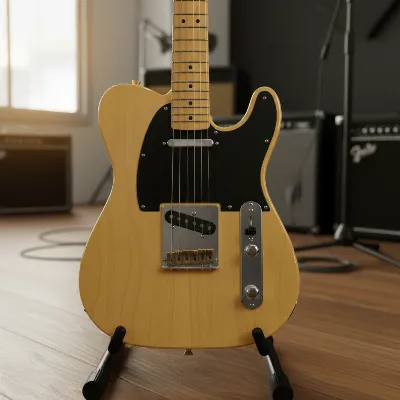 Squier Classic Vibe Telecaster vintage style guitar on a stand
Squier Classic Vibe Telecaster Performance Analysis
The Squier Classic Vibe Telecaster has carved out a significant niche, captivating players with its blend of vintage charm and modern playability. Its performance is often lauded, especially considering its accessible price point, making it a compelling choice for a diverse range of musicians.
The sound profile of the Classic Vibe Telecaster is remarkably rich and versatile. The Fender-designed alnico single-coil pickups deliver authentic Telecaster tones, from crisp, clean highs with a characteristic “twang” to warm, articulate lows. The neck pickup is particularly praised for its lush, smooth cleans, offering a depth that can sometimes evoke a Stratocaster’s neck pickup, while the bridge pickup provides expected sparkle without being overly thin or piercing. The balanced output when both pickups are engaged creates a full, harmonically rich sound with impressive sustain. Whether you’re seeking bright country leads, gritty blues riffs, or shimmering clean chords, this guitar offers a tonal palette that readily adapts to various musical styles.
In terms of playability, the Classic Vibe Telecaster generally receives high marks. The thin, 50s-style C-shape maple neck, often with a tinted gloss urethane finish, is consistently highlighted for its comfort and speed. The 9.5-inch fretboard radius strikes a good balance, facilitating both easy chording and smooth string bending. While many guitars arrive with a decent factory setup, some users occasionally report initial fret issues, such as high frets or sharp fret ends, which may require a professional setup or a fret dress for optimal playability. However, once properly set up, the action is typically low, and intonation is precise, making for an enjoyable playing experience.
The build quality and aesthetics of the Squier Classic Vibe series are exceptional for their price. The fit and finish are frequently compared favorably to more expensive Made in Mexico Fender models, showcasing a level of craftsmanship often unexpected in this category. Details like well-dressed frets (when free of manufacturing quirks), consistent finishes, and robust hardware contribute to a solid, well-made feel. The vintage-inspired designs, such as the butterscotch blonde or sonic blue finishes paired with a black pickguard, evoke a classic era, giving the guitar a premium look.
The value proposition of the Squier Classic Vibe Telecaster is arguably its strongest selling point. It offers authentic Telecaster tone, comfortable playability, and commendable build quality at a fraction of the cost of its American-made counterparts. This makes it an excellent option for beginners looking for a quality first instrument, intermediate players seeking a reliable workhorse, or even experienced guitarists desiring a vintage-style guitar for gigging or modification without breaking the bank. Its robustness also makes it an ideal platform for upgrades, should a player wish to customize its components further down the line.
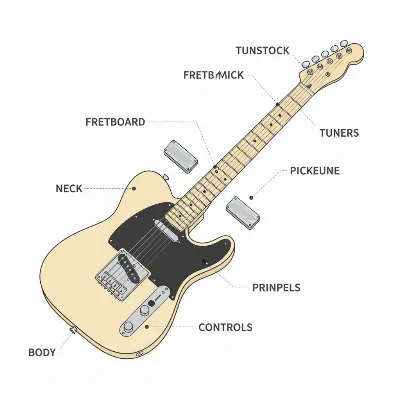 Diagram illustrating the detailed parts of an electric guitar Telecaster
Famous Electric Guitar Brands Comparison Table
When considering an electric guitar, comparing brands across various criteria can help musicians make an informed decision. The market offers a spectrum of manufacturers, each with distinct philosophies regarding quality, price, and design. Below is a comparison focusing on key brands, positioning the Squier Classic Vibe series within this landscape.
| Feature / Brand | Squier (Classic Vibe) | Fender (Mexico) | Fender (USA) | Gibson | Ibanez |
|---|---|---|---|---|---|
| Target Market | Entry/Intermediate, Value-conscious | Intermediate, Professional | Professional, High-end | Professional, High-end | Intermediate, Professional |
| Price Range | Affordable ($400-$600) | Mid-range ($800-$1,200) | High-end ($1,500-$3,000+) | Premium ($2,000-$6,000+) | Mid-range to High-end ($500-$3,000+) |
| Build Quality | Excellent for price, solid construction | Very good, consistent | Exceptional, meticulous | Exceptional, iconic | Very good, precise |
| Sound Profile | Authentic vintage tones, versatile | Classic Fender tones, reliable | Premium Fender tones, refined | Warm, thick, powerful (humbucker) | Modern, articulate, high-gain friendly |
| Playability | Comfortable C-shape necks, good setups | Smooth, various neck profiles | Superior fretwork, premium feel | Chunky necks, great sustain | Fast, thin necks, shred-ready |
| Durability | Good, suitable for regular use | Very good, gig-ready | Excellent, built to last | Excellent, roadworthy | Very good, robust |
| Strengths | Unbeatable value, vintage aesthetics, upgradeable | Reliable workhorses, wide model range | Ultimate Fender experience, craftsmanship | Iconic tone, prestige, sustain | Speed, technical versatility, innovation |
| Weaknesses | Occasional QC issues (frets, switches) | Can be overshadowed by USA models | High price, less budget-friendly | High price, heavy, less versatile clean tones | Can be niche, less traditional aesthetic |
The Squier Classic Vibe series stands out by offering an almost unparalleled balance of quality and affordability. While Fender’s Mexican and USA lines offer incrementally superior build quality, more refined pickups, and prestige, they come at significantly higher price points. Gibson appeals to those seeking a distinct humbucker tone and classic rock heritage at a premium. Ibanez, on the other hand, targets players prioritizing speed and modern performance. The Classic Vibe truly occupies a “sweet spot” where quality construction meets accessibility, making it a legitimate contender for any guitarist prioritizing value and vintage feel.
Electric Guitar Buying Guide
Purchasing an electric guitar is an exciting endeavor, but with countless options available, it’s essential to consider several factors to ensure you find the perfect match. The Squier Classic Vibe Telecaster, with its strong reputation, is often a prime candidate.
Begin by setting a budget. The Classic Vibe series offers exceptional performance for its price range, typically falling between $400 and $600. Knowing your financial limits helps narrow down choices immediately. Next, consider your playing style and favorite musical genres. Are you into country twang, bluesy bends, classic rock riffs, or something else? The Telecaster’s versatile single-coil pickups make it suitable for a broad spectrum, but if you primarily play heavy metal, you might explore guitars with humbuckers.
Your skill level also plays a role. For new beginners, the Classic Vibe Telecaster is an excellent choice due to its comfortable neck and accessible price. It provides a quality foundation that won’t hinder progress. Intermediate players will appreciate its reliable performance and solid build for gigging or recording. Even professional musicians often use Classic Vibe guitars as reliable backup instruments or platforms for modification.
When buying, always consider the essential accessories:
- Amplifier: Crucial for hearing your electric guitar. Start with a practice amp, then consider a larger combo or head/cabinet setup.
- Guitar Cable: A durable cable is necessary to connect your guitar to the amp.
- Picks: Experiment with different thicknesses to find what feels best.
- Strap: If you plan to play standing up.
- Tuner: Essential for keeping your guitar in tune; clip-on or pedal tuners are popular.
- Extra Strings: Strings break, so having a spare set is always wise.
- Gig Bag or Hard Case: To protect your investment during transport and storage.
Common Issues and Troubleshooting for Squier Classic Vibe Telecasters
Even well-regarded instruments like the Squier Classic Vibe Telecaster can occasionally present issues, especially given their mass-produced nature. Understanding common problems and basic troubleshooting can save you time and money.
One of the most frequently reported issues revolves around fretwork, specifically fret buzz or high frets. This can manifest as an annoying buzzing sound when playing certain notes or strings, particularly on the lower frets. High frets can cause notes to “choke out” or buzz excessively. Often, this requires a professional fret level, crown, and polish to ensure all frets are even. Another related concern is sharp fret ends, which can be uncomfortable or even cut your fingers. This is typically resolved by a luthier carefully filing and smoothing the fret edges. Before resorting to professional help, check your neck relief (truss rod adjustment) and string action at the bridge, as these can sometimes cause buzz.
Intonation problems, where notes played higher on the neck are out of tune even if open strings are tuned correctly, can also occur. This usually requires adjusting the individual saddles on the bridge. Similarly, while generally good, some vintage-style tuning machines might be slightly loose or prone to slipping, leading to tuning stability issues. A quick check to ensure all screws are tight can sometimes help, but in persistent cases, upgrading to higher-quality tuners might be considered.
Noisy electronics, such as a persistent hum or crackle, are another potential concern. While the Classic Vibe Telecaster often comes with shielded cavities, sometimes a loose ground wire, faulty potentiometer (pot), or a less-than-ideal pickup switch can be the culprit. A flimsy stock 3-way switch is a common target for replacement among players seeking a more robust feel and reliable connection. Checking all connections and shielding can help diagnose these issues.
For simple fixes like adjusting string height, intonation, or tightening loose screws, many guitarists can follow online guides. However, for more complex problems such as significant fret leveling, truss rod adjustments beyond minor tweaks, or deep electronic troubleshooting, it’s best to bring your guitar to a professional luthier or guitar technician. Attempting complex repairs without proper tools and experience can potentially cause more damage.
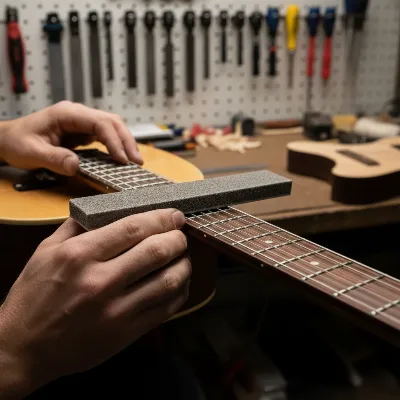 Guitar tech performing fret leveling on a guitar neck
Maintaining Your Squier Classic Vibe Telecaster
Proper maintenance and regular cleaning are crucial for preserving your Squier Classic Vibe Telecaster’s playability, appearance, and longevity. A well-cared-for guitar performs better and retains its value over time.
To preserve your guitar’s lifespan, always store it properly. Ideally, keep it in a gig bag or hard case when not in use to protect it from dust, humidity fluctuations, and accidental bumps. Avoid extreme temperatures or sudden changes, as these can warp the neck or damage the finish. Use a guitar stand for easy access, but ensure it’s a stable one. Regularly change your strings, as old, corroded strings can dull your tone and make playing uncomfortable.
Cleaning your electric guitar correctly involves a few simple steps. After each playing session, wipe down the strings and fretboard with a clean, soft microfiber cloth to remove sweat and grime. Periodically, gently clean the body and neck with a guitar-specific polish or cleaner. For the fretboard, especially if it’s Indian laurel or maple, a dedicated fretboard conditioner can keep the wood hydrated and prevent cracking. Avoid harsh household cleaners, as they can damage the finish. When cleaning around pickups and hardware, use a soft brush or cotton swab to remove dust without scratching.
For maintenance products, keep a supply of guitar polish, fretboard conditioner, and a few microfiber cloths. String cleaner can also prolong string life. Consider a small toolkit with hex wrenches for bridge adjustments and a screwdriver for minor hardware tightening. Regularly check all screws on tuners, bridge, and pickguard to ensure they are snug, but avoid over-tightening. Pay attention to fret wear, especially if you play frequently; worn frets can eventually lead to buzzing and require professional attention.
“A well-maintained guitar is a happy guitar. Simple routine care ensures your instrument will inspire you for years to come.” – Admin, ReviewMusical.com
Conclusion
The Squier Classic Vibe Telecaster shows that exceptional performance doesn’t always come with an exorbitant price tag. It consistently delivers an authentic Telecaster experience, boasting rich, versatile tones from its Fender-designed alnico pickups, comfortable playability thanks to its C-shape maple neck, and a build quality that often rivals more expensive instruments. While minor fretwork issues or a flimsy switch can occasionally be encountered, these are typically easily addressable, either through a basic setup or minor upgrades, further enhancing its appeal as an ideal platform for customization. For beginners, intermediate players, or seasoned guitarists seeking a reliable, vintage-inspired workhorse, the Classic Vibe Telecaster offers unparalleled value.
Frequently Asked Questions
What is the primary difference between a Squier Classic Vibe Telecaster and a Fender Player Telecaster?
The Squier Classic Vibe Telecaster generally offers a vintage aesthetic and tone at a more accessible price point, often with Fender-designed pickups and solid, budget-friendly woods like pine or poplar. Fender Player Telecasters, typically made in Mexico, feature more modern specifications, often with Fender Player Series pickups, and utilize tonewoods like alder or ash, providing slightly more refined build quality and components at a higher cost.
Can the Squier Classic Vibe Telecaster be used for professional gigs or recordings?
Absolutely. Many professional musicians use Squier Classic Vibe Telecasters for gigs and studio recordings. With proper setup, and potentially a few minor upgrades like a new switch or higher-end pickups, these guitars are robust enough to deliver reliable performance and excellent tone in a professional setting, offering incredible value.
What are the most recommended upgrades for a Squier Classic Vibe Telecaster?
Common and worthwhile upgrades for a Squier Classic Vibe Telecaster include replacing the stock pickups with higher-quality ones (e.g., Fender Custom Shop, Seymour Duncan), upgrading the tuning machines to locking tuners for better stability, replacing the nut with a TUSQ or bone alternative, and sometimes upgrading the 3-way pickup selector switch for improved durability and feel.
Does the Squier Classic Vibe Telecaster maintain its tuning well?
Generally, yes. The Squier Classic Vibe Telecaster, equipped with vintage-style tuners and a robust bridge, tends to hold its tuning well for most players. However, like any guitar, consistent tuning stability also depends on the quality of the setup, string gauge, playing style, and environmental conditions. Some players may opt for locking tuners as an upgrade for enhanced stability.
Frequently Asked Questions
What is the primary difference between a Squier Classic Vibe Telecaster and a Fender Player Telecaster?
The Squier Classic Vibe Telecaster offers vintage aesthetics and tone at a more accessible price, typically $400-$600, with Fender-designed pickups and woods like pine. Fender Player Telecasters, made in Mexico, feature modern specifications, Fender Player Series pickups, and woods like alder or ash, providing refined build quality at a higher cost of $800-$1,200.
Can the Squier Classic Vibe Telecaster be used for professional gigs or recordings?
Yes, many professional musicians use Squier Classic Vibe Telecasters for gigs and studio recordings. With proper setup and potential minor upgrades like a new switch or higher-end pickups, these guitars deliver reliable performance and excellent tone in professional settings, offering incredible value for their price.
What are the most recommended upgrades for a Squier Classic Vibe Telecaster?
Common and worthwhile upgrades for a Squier Classic Vibe Telecaster include replacing stock pickups with higher-quality ones (e.g., Fender Custom Shop), upgrading tuning machines to locking tuners for better stability, replacing the nut with a TUSQ or bone alternative, and upgrading the 3-way pickup selector switch for improved durability and feel.
Does the Squier Classic Vibe Telecaster maintain its tuning well?
Generally, yes, the Squier Classic Vibe Telecaster, equipped with vintage-style tuners and a robust bridge, tends to hold its tuning well for most players. Consistent tuning stability also depends on setup quality, string gauge, playing style, and environmental conditions. Some players opt for locking tuners as an upgrade for enhanced stability.
What wood is typically used for the Squier Classic Vibe Telecaster body?
Many Squier Classic Vibe Telecasters, especially the '50s models, feature a solid pine body. Pine is known for its resonant properties and lighter weight, contributing to a unique sonic character that is slightly darker than traditional ash-bodied Telecasters, yet still offers excellent clarity and warmth.
Maintain Your Squier Classic Vibe Telecaster
Proper maintenance and regular cleaning are crucial for preserving your Squier Classic Vibe Telecaster's playability, appearance, and longevity. A well-cared-for guitar performs better and retains its value over time.
Always keep your guitar in a gig bag or hard case when not in use to protect it from dust, humidity fluctuations, and accidental bumps. Avoid extreme temperatures or sudden changes, as these can warp the neck or damage the finish. Regularly change your strings to maintain tone and playability.
After each playing session, wipe down the strings and fretboard with a clean, soft microfiber cloth to remove sweat and grime. Periodically, gently clean the body and neck with a guitar-specific polish or cleaner. For the fretboard, a dedicated conditioner can keep the wood hydrated and prevent cracking.
Keep a supply of guitar polish, fretboard conditioner, and microfiber cloths. String cleaner can prolong string life. Consider a small toolkit with hex wrenches for bridge adjustments and a screwdriver for minor hardware tightening. Regularly check all screws on tuners, bridge, and pickguard to ensure they are snug.

I picked up a Classic Vibe Tele after hearing all the hype, and while it’s good, it’s not perfect. The vintage feel is there, and the sound is decent for the money, but I found the tuners to be a bit finicky. They hold tune okay, but I’m already thinking about upgrading them down the line. Still, for under $600, it’s a strong contender.
As a beginner, I was looking for something reliable that wouldn’t break the bank, and the Squier Classic Vibe Telecaster delivered. The robust sound is impressive, and it’s been really inspiring to learn on. It feels like a much higher-end instrument, and I’m confident it will last me for years as I improve.
This guitar is a solid choice, especially for intermediate players like myself. The C-shape maple neck is super comfortable, making it easy to play for longer sessions without hand fatigue. I did have to get a professional setup when I first got it, but after that, it’s been a dream to play. Definitely punches above its weight class.
I’ve had my Squier Classic Vibe Tele for about six months now, and it’s truly fantastic for the price. The Fender-designed alnico pickups really do give it that classic Tele twang, which is exactly what I was hoping for. It feels much more expensive than the $500 I paid, and it’s become my go-to for practice and even some smaller gigs.