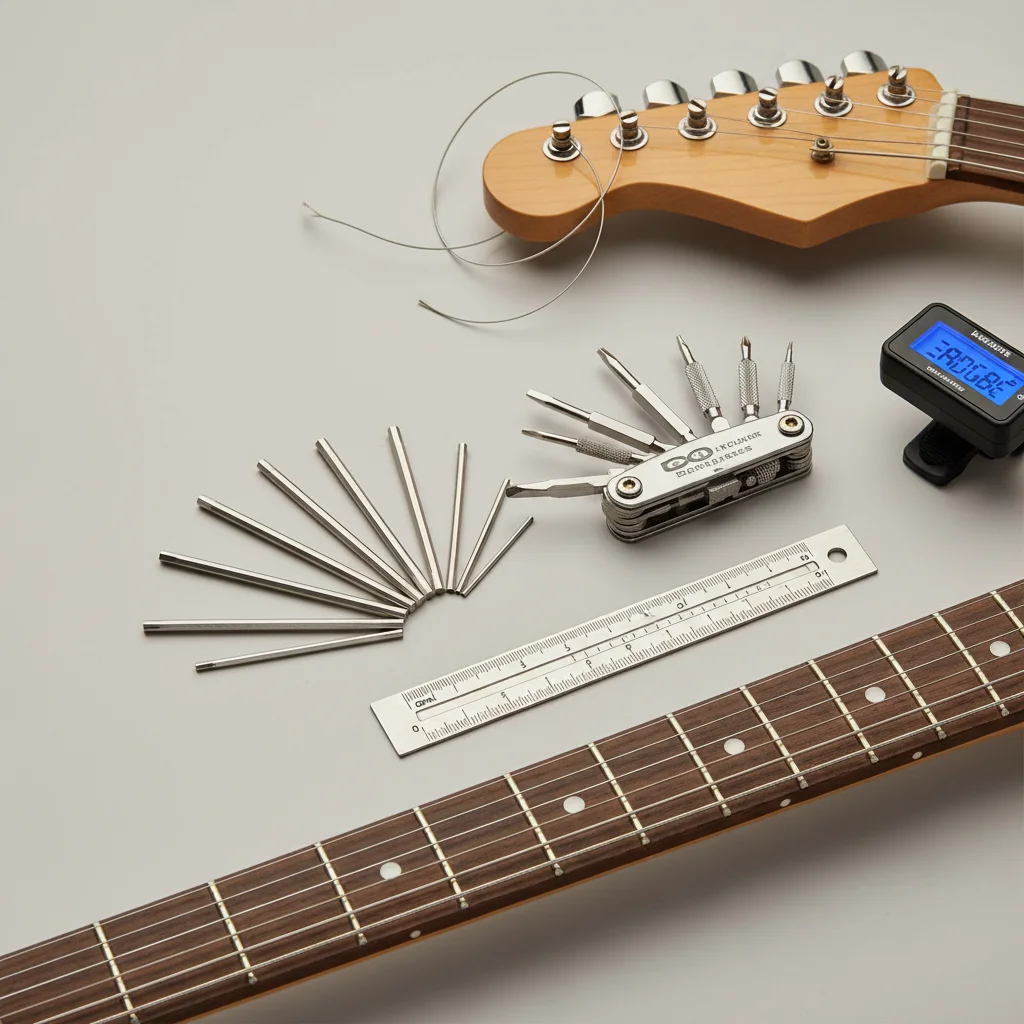
An electric guitar setup should ideally be adjusted every 6 to 12 months, or whenever you notice significant changes in playability or sound. This routine maintenance ensures your instrument remains in optimal condition, preventing common issues like fret buzz, poor intonation, and uncomfortable action. Regular adjustments are crucial for maintaining the guitar’s performance and extending its lifespan, especially if you frequently change string gauges or live in an environment with fluctuating humidity.
Why Regular Setup is Essential for Your Electric Guitar
Regular electric guitar setups are not just about fixing problems; they are about proactive maintenance that enhances your playing experience. Over time, environmental factors like humidity and temperature can cause the wood in your guitar’s neck to expand or contract, affecting the neck relief. String tension also plays a continuous role in shaping the neck’s curvature. A proper setup addresses these subtle shifts, ensuring the neck is straight, the action is comfortable, and the intonation is accurate across the fretboard. Neglecting regular setups can lead to frustrating playability issues and even long-term damage to the instrument. For explore our electric guitar reviews on this site.
Key Components of an Electric Guitar Setup
A comprehensive electric guitar setup involves several critical adjustments. These include setting the neck relief (truss rod adjustment), adjusting the string action at both the bridge and the nut, and fine-tuning the intonation. Additionally, a good setup often includes cleaning and conditioning the fretboard, polishing the frets, checking the electronics for any issues, and ensuring all hardware is secure. Each of these components works in harmony to create a guitar that plays in tune, feels comfortable, and sounds its best. Understanding these elements can help you communicate effectively with a luthier or perform basic adjustments yourself.
Signs Your Electric Guitar Needs a Setup
|
Our Picks for the Best Electric Guitar in 2026
As an Amazon Associate I earn from qualifying purchases.
|
||
| Num | Product | Action |
|---|---|---|
| 1 | Tostar 39 Inch Full Size Electric Guitar Kit For Beginners And Adults,SSS Pickup Stratocaster Guitarra Electrica Set Includes Tremolo Bridge,Amp,Strings,Stand,Case Bag, Birthday Holiday Gifts, Red |

|
| 2 | STRICH Electric Guitar Beginner Kit, Solid Body 39" Full Size Electric Guitar HSS Pick Up for Starter, with 10W Amp, Bag, Digital Tuner, Capo, Strap, String,Cable, Picks, SST-S20 Sapphire Blue |
|
| 3 | Jackson Dinky Minion JS1X Electric Guitar - Black |
|
| 4 | RockJam Electric Guitar Kit with 10-Watt Amp, Gig Bag, Picks, Spare Strings & Lessons |
|
| 5 | 39 Inch Electric Guitar Bag 7mm Padding Waterproof Electric Guitar Case, Electric Guitar Gig Bag Backpack with Neck Strap and Pockets, Black |
|
| 6 | WINZZ EGM100 30 Inches Real Kids Electric Guitar with Beginner Kit, Right Handed (Gradient Pink) |
|
| 7 | LyxPro 39 inch Electric Guitar Kit Bundle with 20w Amplifier, All Accessories, Digital Clip On Tuner, Six Strings, Two Picks, Tremolo Bar, Shoulder Strap, Case Bag Starter kit Full Size - Blue |
|
| 8 | Fender Mini Stratocaster Electric Guitar Kit, Beginner Guitar Kit, with 2-Year Warranty, with Frontman 10G Amp, Padded Gig Bag, Strap, Cable, Tuner, and Picks, Daphne Blue |
|
| 9 | 16inch Mini Guitar Toy for Kids and Beginners, Electric Guitar with Strap for Toddlers and Boys and Girls Instrument Toys |
|
| 10 | Ibanez GRG131DX - Black Flat |
|
Recognizing the signs that your electric guitar needs a setup can save you from unnecessary frustration and potential damage. Common indicators include noticeable fret buzz, especially on open strings or specific frets, even with a light touch. Poor intonation, where notes sound out of tune as you move up the neck, is another clear sign. If the strings feel too high off the fretboard (high action) making it difficult to play, or too low causing buzzing, an adjustment is likely needed. Additionally, if your guitar frequently goes out of tune, or if the neck appears visibly bowed, it’s time for a professional check-up.
DIY vs. Professional Electric Guitar Setup
While some basic electric guitar adjustments can be performed at home with the right tools and knowledge, a professional setup offers a level of precision and expertise that is hard to replicate. Simple tasks like string changes or minor action adjustments are often within a beginner’s grasp. However, complex procedures such as truss rod adjustments, nut filing, or fret leveling require specialized tools and a deep understanding of guitar mechanics. For optimal results and to avoid accidental damage, especially for valuable instruments, entrusting your guitar to an experienced luthier is often the best course of action. They can diagnose underlying issues and perform comprehensive adjustments that ensure your guitar plays perfectly.
Tips for Maintaining Your Guitar Between Setups
- Store your guitar in a climate-controlled environment to minimize wood movement.
- Clean your strings and fretboard regularly to prevent grime buildup.
- Check string height and intonation periodically, especially after string changes.
- Keep all hardware tightened to prevent rattles and ensure stability.
- Consider using a guitar humidifier or dehumidifier if you live in extreme climates.
By following these simple tips, you can extend the life of your strings and the overall health of your instrument, making your regular setups even more effective.

I’ve always wondered how often I should get my guitar set up. This really clarified that it’s not just about fixing issues, but about proactive maintenance. I tend to change string gauges pretty often, so knowing that impacts the setup makes a lot of sense. My Les Paul is playing much better now that I’m on a regular schedule.
I used to just play my guitar until it sounded off, but after reading about how humidity affects the neck, I’ve been way more proactive. Getting a setup every 6 months has made a huge difference in preventing fret buzz. My Strat feels brand new every time I get it back from the shop. Definitely worth the investment for consistent playability.
I agree that regular setups are important, but I find that every 6 months is a bit too frequent for my playing style. I usually stretch it to about 10-12 months, and I haven’t had any major issues with intonation. Maybe it’s because I keep my guitar in a pretty stable environment, but I think it depends on the individual player.
This information about neck relief and how environmental factors like temperature can affect it was super helpful. I live in an area with really fluctuating weather, and I’ve noticed my guitar feeling different throughout the year. Now I understand why, and I’m making sure to get it checked out regularly to keep it in top shape.