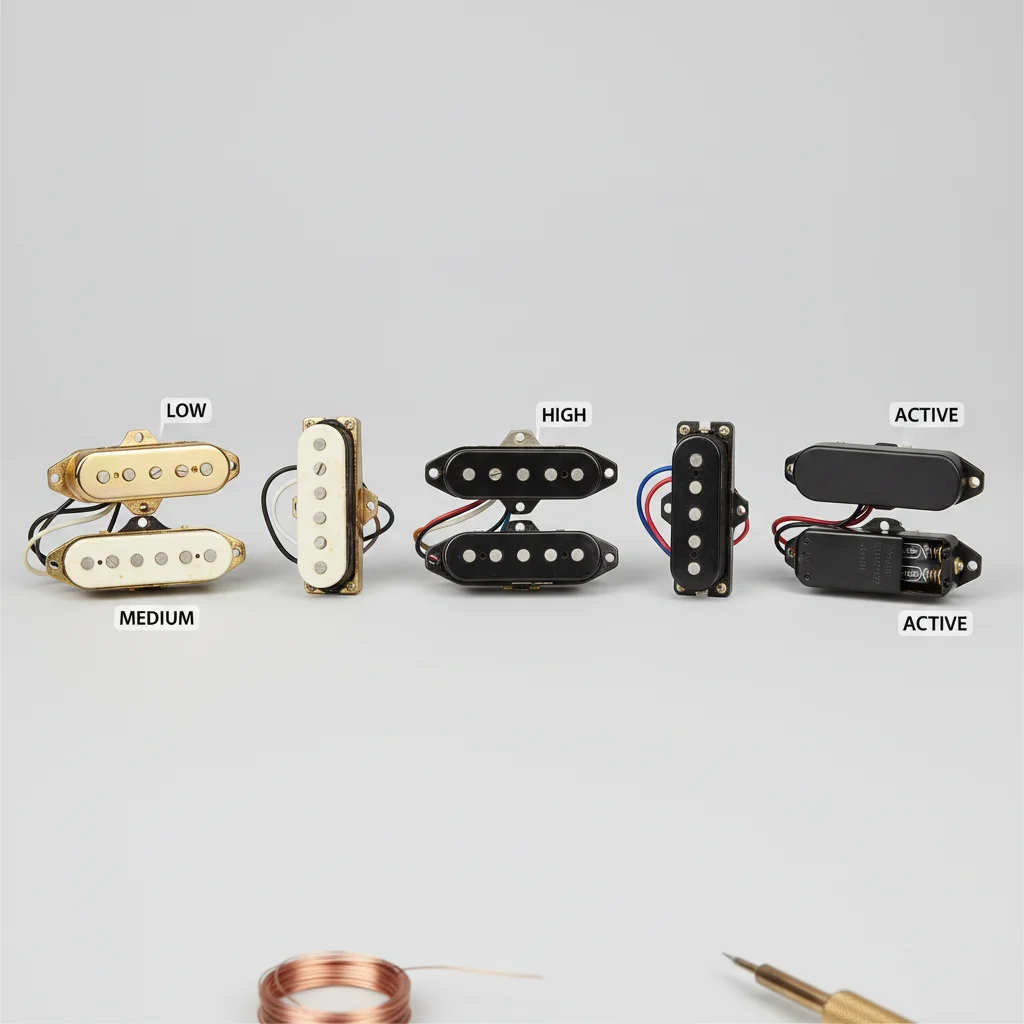
Understanding the output level of electric guitar pickups is crucial for shaping your sound. Generally, there are three main output levels: low, medium, and high. Each level offers distinct tonal characteristics and is best suited for different musical genres and playing styles. Choosing the right output level can significantly impact your guitar’s dynamics, sustain, and how it interacts with your amplifier and effects pedals.
Low Output Pickups: Clarity and Dynamics
Low output pickups, often found in vintage-style guitars, are characterized by their lower signal strength. This results in a cleaner, more articulate tone with excellent dynamic range. They are highly responsive to picking dynamics, allowing for subtle nuances in your playing to shine through. These pickups are ideal for genres like jazz, blues, country, and classic rock where clarity, chime, and a less compressed sound are desired. They also tend to clean up well when rolling back the guitar’s volume knob, offering a wide palette of tones. For more electric guitar guides on this site.
Medium Output Pickups: Versatility and Balance
Medium output pickups strike a balance between the clarity of low output and the power of high output. They provide a stronger signal than low output pickups, leading to more sustain and a bit more drive when pushed through an amplifier. This makes them incredibly versatile, suitable for a broad range of genres including rock, pop, funk, and even some heavier styles when paired with appropriate amplification. They offer a good blend of articulation and punch, making them a popular choice for many guitarists seeking an all-around performer.
High Output Pickups: Power and Sustain
|
Our Picks for the Best Electric Guitar in 2026
As an Amazon Associate I earn from qualifying purchases.
|
||
| Num | Product | Action |
|---|---|---|
| 1 | WINZZ EGM100 30 Inches Real Kids Electric Guitar with Beginner Kit, Right Handed (Gradient Pink) |

|
| 2 | STRICH Electric Guitar Beginner Kit, Solid Body 39" Full Size Electric Guitar HSS Pick Up for Starter, with 10W Amp, Bag, Digital Tuner, Capo, Strap, String,Cable, Picks, SST-S20 Sapphire Blue |
|
| 3 | Ibanez GRG131DX - Black Flat |
|
| 4 | 16inch Mini Guitar Toy for Kids and Beginners, Electric Guitar with Strap for Toddlers and Boys and Girls Instrument Toys |
|
| 5 | Tostar 39 Inch Full Size Electric Guitar Kit For Beginners And Adults,SSS Pickup Stratocaster Guitarra Electrica Set Includes Tremolo Bridge,Amp,Strings,Stand,Case Bag, Birthday Holiday Gifts, Red |
|
| 6 | 39 Inch Electric Guitar Bag 7mm Padding Waterproof Electric Guitar Case, Electric Guitar Gig Bag Backpack with Neck Strap and Pockets, Black |
|
| 7 | RockJam Electric Guitar Kit with 10-Watt Amp, Gig Bag, Picks, Spare Strings & Lessons |
|
| 8 | LyxPro 39 inch Electric Guitar Kit Bundle with 20w Amplifier, All Accessories, Digital Clip On Tuner, Six Strings, Two Picks, Tremolo Bar, Shoulder Strap, Case Bag Starter kit Full Size - Blue |
|
| 9 | Jackson Dinky Minion JS1X Electric Guitar - Black |
|
| 10 | Fender Mini Stratocaster Electric Guitar Kit, Beginner Guitar Kit, with 2-Year Warranty, with Frontman 10G Amp, Padded Gig Bag, Strap, Cable, Tuner, and Picks, Daphne Blue |
|
High output pickups are designed to deliver a strong, hot signal, resulting in increased sustain, compression, and a more aggressive tone. They are particularly well-suited for genres that require significant overdrive and distortion, such as hard rock, metal, and shred. The higher output drives the amplifier harder, leading to more saturation and a thicker sound. While they might sacrifice some of the dynamic range found in lower output pickups, they excel at delivering powerful riffs and soaring solos. They are also less susceptible to noise in high-gain situations.
Factors Influencing Pickup Output
Several factors contribute to a pickup’s output level. The type of magnet (Alnico vs. Ceramic), the number of wire windings, and the gauge of the wire all play a significant role. Alnico magnets generally produce a warmer, lower output tone, while ceramic magnets often contribute to a brighter, higher output sound. More windings typically result in higher output, but can also affect the frequency response. Understanding these elements helps in selecting pickups that align with your desired sound.
Choosing the Right Output for Your Style
The best pickup output level ultimately depends on your individual playing style, musical genre, and the rest of your gear. Consider what kind of tones you primarily aim for. If you value clarity, dynamics, and a clean foundation, low output might be your choice. If you need versatility and a good balance, medium output is a strong contender. For aggressive, high-gain sounds, high output pickups will deliver the power you need. Experimentation is key to finding your perfect match.
- Consider your primary musical genre and desired level of gain.
- Think about how much dynamic range you want in your playing.
- Evaluate how your current amplifier and pedals interact with different output levels.
- Research the magnet types and winding specifications of various pickups.
- Don’t be afraid to try different guitars or pickups to hear the difference firsthand.
